 Kuddle . Love . Delivered .

 Golden
Retriever
 Labrador
Retriever
 German
Shepherd
 Beagle
 Shih Tzu
 Rottweiler
 Boxer
 Indie / Desi

 Persian
 Maine Coon
 British Shorthair
 Bengal
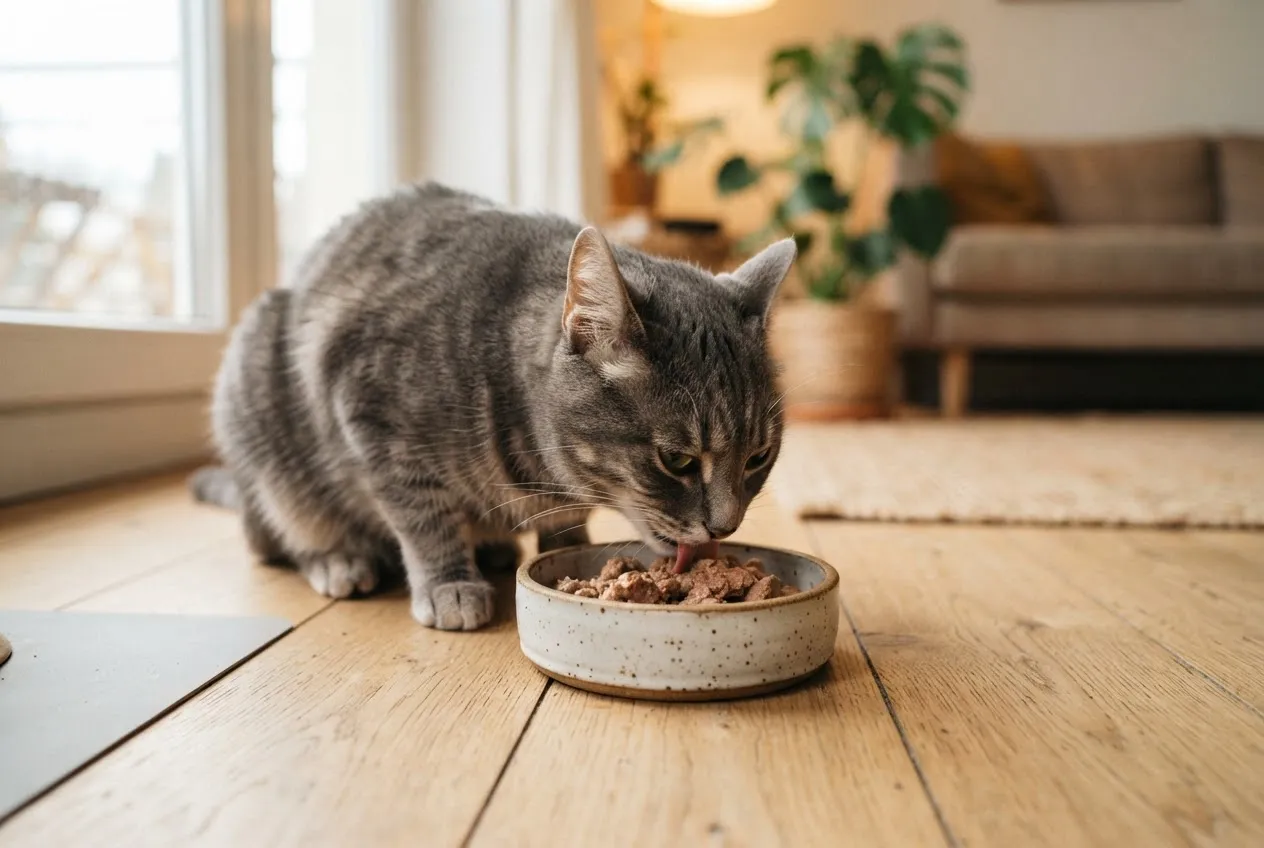
Most cats in Indian cities live indoors, and that is good for them: no traffic, fewer fights and fewer infections. But an indoor life changes what a cat needs from the bowl.
Cats are meat eaters
Cats are obligate carnivores. They need nutrients that come from animal protein, like taurine, which they cannot make enough of on their own. Always feed a complete cat food, never dog food or a home-cooked vegetarian diet.
What indoor cats need
- Fewer calories. An indoor cat burns less energy, so foods for indoor cats are usually a little lighter. Portion control matters more than the label.
- High protein. Protein keeps muscle on a cat that does not hunt or climb much.
- More water. Cats have a low thirst drive. Wet food is mostly water, which supports the kidneys and bladder, a common weak spot in cats.
- Fibre for hairballs. Indoor cats groom a lot. A little added fibre helps hair pass through.
Wet, dry or both?
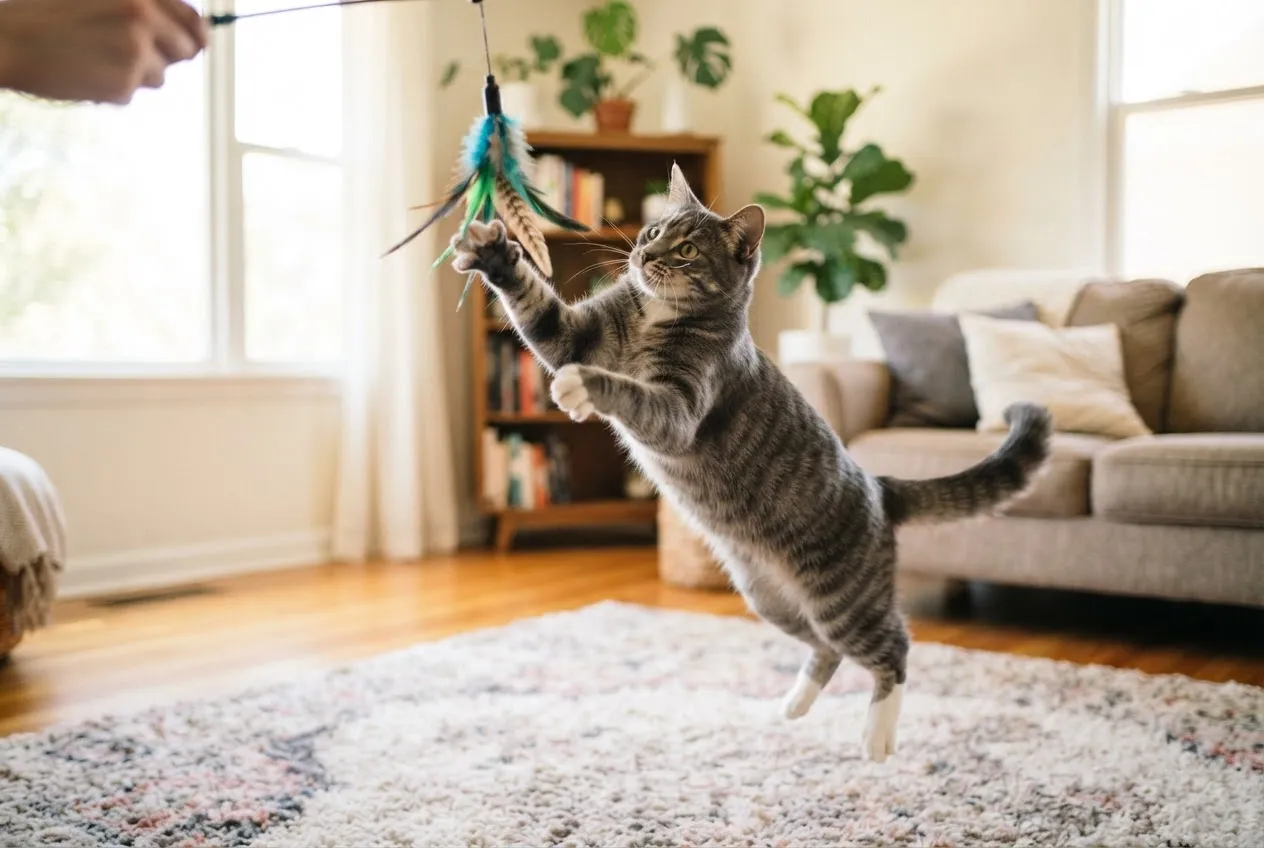
Many vets suggest a mix: wet food once or twice a day for water and taste, and a measured amount of dry food for convenience. If your cat eats only dry food, make water easy to find and fresh, with a few bowls around the home or a fountain.
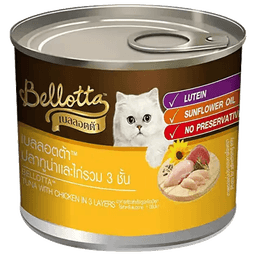 Tuna with Chicken in 3 Layers Tinned Cat Wet Food 185 Gm 12 Pack₹900
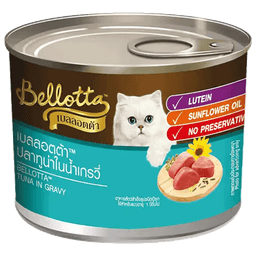 Tuna in Gravy Tinned Wet Cat Food 185gm 12 Pack₹900
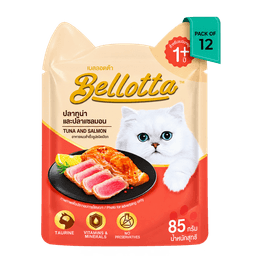 Tuna & Salmon Wet Adult Cat Food 85gm₹450
 Tuna & Chicken Wet Adult Cat Food 85gm₹420
Feeding tips
- Feed measured meals rather than leaving a full bowl out all day.
- Use a puzzle feeder or scatter a few kibbles to make dinner a hunt.
- Keep treats under about 10 percent of the day's food.
- Change foods slowly, over a week or more. Cats can be fussy and some refuse sudden changes.